
A “baddie” refers to a woman who embodies bold aesthetics, unwavering confidence, and financial independence as forms of self-empowerment. Originating from 1990s hip-hop culture and popularized through Instagram and TikTok since 2015, baddies showcase contoured makeup, form-fitting fashion, and entrepreneurial mindsets. This cultural archetype emphasizes personal autonomy, body positivity, and challenging traditional beauty standards, though critics debate whether it truly empowers women or perpetuates unrealistic expectations and commercialized self-expression that can complicate authentic female representation. Many followers and enthusiasts of the baddie aesthetic often grapple with what defines a badass woman, navigating the fine line between empowerment and performance. This conversation invites deeper analysis of societal norms and personal narratives, urging women to carve their own identities beyond surface-level representations. Ultimately, the baddie movement can serve as both inspiration and critique, challenging women to assert themselves while questioning the influences of consumer culture.
Two related reads sit beside this one: what it means when he posts you on his story and how interest shows up on Instagram — the same audience-and-visibility dynamic this archetype grew out of.
The Evolution of “Baddie” Culture in Social Media
Although the term “baddie” has roots in hip-hop culture dating back to the 1990s, its modern interpretation emerged through Instagram and TikTok platforms around 2015, transforming from a niche aesthetic into a mainstream cultural phenomenon. The baddie aesthetic gained momentum when influencers like Kylie Jenner and Instagram models popularized contoured makeup, body-fitting clothing, and carefully curated lifestyle content. Social media algorithms amplified these trends, creating viral hashtags that accumulated millions of posts. Media scholar Sarah Banet-Weiser argues in Empowered: Popular Feminism and Popular Misogyny (Duke University Press, 2018) that this strand of popular feminism travels mainly through visibility — a look, a brand, a shareable image — which is exactly why it spreads so fast on platforms built to reward attention.beauty standards, allowing users to adopt, modify, and redistribute cultural concepts across diverse communities worldwide.
Key Physical and Style Characteristics of a Baddie
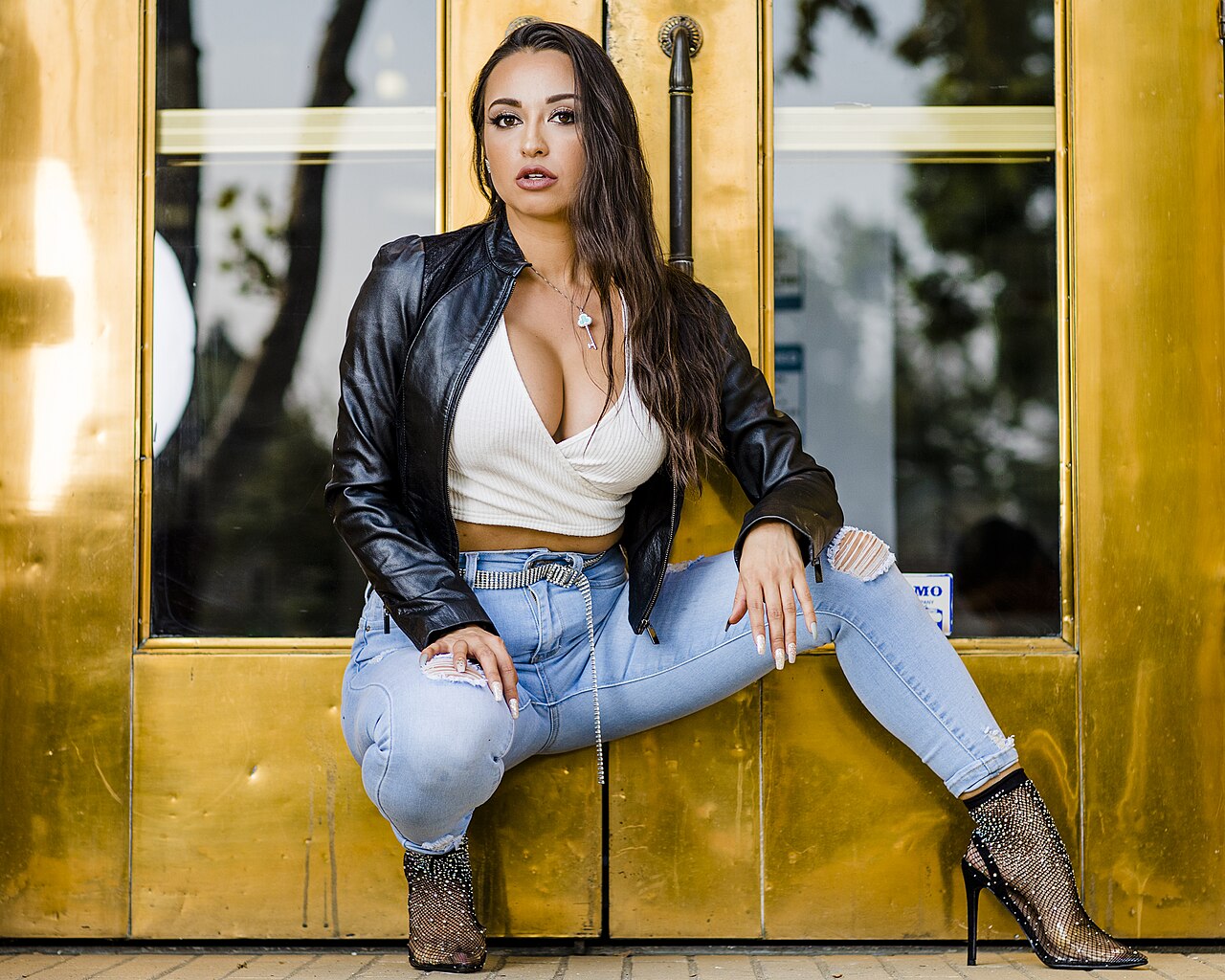
As baddie culture spread across digital platforms, specific visual elements and styling choices became the defining markers of this aesthetic. Contemporary fashion trends associated with baddie culture emphasize body-conscious clothing, strategic makeup application, and carefully curated accessories that project confidence and sensuality.
| Makeup Elements | Fashion Choices |
|---|---|
| Contoured features, bold eyebrows | Form-fitting activewear, crop tops |
| Dramatic eyelashes, glossy lips | High-waisted bottoms, bodycon dresses |
| Highlighted cheekbones, nude tones | Designer accessories, statement jewelry |
The physical aesthetics of baddie culture typically showcase athletic builds, enhanced curves, and meticulously maintained appearances. Hair styling often features sleek textures, bold colors, or elaborate extensions that complement the overall polished presentation, creating a cohesive visual identity.
The Attitude and Mindset Behind the Baddie Persona
Beyond the carefully crafted external appearance lies a complex psychological framework that defines the baddie mindset, encompassing themes of self-empowerment, financial independence, and unapologetic confidence. The baddie attitude centers on personal autonomy, rejecting societal expectations that traditionally limit women’s self-expression and ambition.
This mindset prioritizes financial independence, viewing money as freedom rather than material excess. Baddies embrace entrepreneurial thinking, often building personal brands through social media platforms, beauty ventures, or fashion collaborations. The psychological foundation involves boundary-setting, refusing to compromise personal values for others’ approval.
Confidence represents the cornerstone of baddie mentality, manifesting as self-assurance in decision-making, appearance choices, and relationship dynamics. This attitude challenges conventional feminine modesty, instead celebrating boldness, directness, and strategic thinking as empowering traits that enhance personal success and fulfillment.
How Baddie Culture Relates to Female Empowerment
The baddie phenomenon represents more than aesthetic choices, functioning as a vehicle for female empowerment through deliberate self-presentation and goal-oriented mindsets. This cultural movement encourages women to express confidence through carefully curated appearances, challenge conventional beauty expectations, and prioritize financial autonomy as markers of personal success. Understanding these connections reveals how contemporary social media culture intersects with broader conversations about women’s agency, self-determination, and economic independence.
Confidence Through Self-Expression
Empowerment manifests differently across generations, and for many young women today, the baddie aesthetic serves as a powerful vehicle for asserting autonomy over their self-presentation. This cultural movement emphasizes body positivity by celebrating diverse beauty standards, encouraging women to embrace their natural features while experimenting with bold makeup, fashion choices, and styling techniques.
The baddie identity functions as a canvas for developing a unique identity, allowing individuals to curate their appearance according to personal preferences rather than external expectations. Through carefully crafted social media posts, outfit coordination, and beauty routines, participants develop confidence in their decision-making abilities and aesthetic judgment.
This self-directed approach to image creation fosters independence, teaching young women that they possess the authority to define their own standards of attractiveness and success.
Breaking Traditional Beauty Standards
Challenging conventional beauty norms, baddie culture actively dismantles decades of narrow, Eurocentric standards that have dominated mainstream media and fashion industries. This movement celebrates beauty diversity by embracing different body types, skin tones, and facial features previously marginalized by societal expectations.
That statistic circulates widely and does not survive checking: there is no peer-reviewed figure for how much exposure to diverse representation raises self-acceptance, and the evidence on confidence messaging is mixed. Rosalind Gill and Shani Orgad argue in Confidence Culture (Duke University Press, 2022) that telling women to be more confident often moves a structural problem into a personal one — while the visibility that baddie aesthetics thrive on is precisely what popular feminism has learned to work with. Read that way, the cultural influence is real and the empowerment claim is conditional.
Cultural influences from Black, Latina, and Asian communities have markedly shaped baddie aesthetics, bringing previously overlooked beauty practices into mainstream acceptance. This shift promotes body positivity while encouraging personal empowerment through authentic self-presentation, allowing individuals to define beauty on their own terms rather than conforming to restrictive historical standards.
Financial Independence Goals
While traditional femininity often emphasized financial dependence on male partners, baddie culture fundamentally rejects this paradigm by prioritizing economic autonomy as a cornerstone of personal power. This movement encourages women to pursue financial freedom through strategic career choices, side hustles, and investment opportunities that build long-term wealth.
The baddie aesthetic celebrates entrepreneurial spirit, with influencers frequently showcasing business ventures, from beauty brands to digital marketing agencies. Income diversification becomes essential, as research from the Financial Planning Association indicates that multiple revenue streams provide greater economic stability than single-source income.
Budget planning takes center stage, with baddie culture promoting smart spending habits that balance lifestyle goals with savings targets. This financial literacy empowerment directly challenges historical narratives that positioned women as economically dependent, instead fostering self-reliance and monetary confidence.
The Role of Confidence and Self-Expression
Beneath the carefully curated aesthetics and bold fashion choices that define baddie culture lies a fundamental emphasis on confidence and authentic self-expression. Psychological research indicates that self-confidence serves as the cornerstone of this identity, empowering individuals to project strength and independence in their daily interactions.
The self-worth claim is worth testing directly. Crocker and Wolfe’s model of contingencies of self-worth (Psychological Review, 2001) shows that self-esteem staked on external domains — appearance, approval, competition — rises and falls with whatever the audience says that week, while self-worth staked on internal domains such as growth, family or virtue is steadier. That is the honest version of “internal validation”: a look-first identity is a contingent one, which is why the aesthetic and the mindset do not always arrive together.
The authenticity expressions inherent in baddie culture manifest through deliberate style choices, assertive communication, and boundary-setting behaviors. These practices create a framework for genuine self-representation, allowing individuals to showcase their personalities confidently while maintaining control over their narrative and public persona.
Popular Baddie Influencers and Their Impact
Social media platforms have transformed ordinary individuals into influential cultural architects, with several prominent figures leading the baddie movement and reshaping contemporary beauty standards. These baddie influencers have cultivated massive followings through carefully curated aesthetics, bold fashion choices, and unapologetic self-presentation that challenges traditional feminine ideals.
| Influencer Type | Platform Focus | Cultural Impact |
|---|---|---|
| Beauty Gurus | Instagram/TikTok | Makeup tutorials and product launches |
| Fashion Icons | Instagram/YouTube | Trend-setting and brand collaborations |
| Lifestyle Creators | Multi-platform | Empowerment messaging and authenticity |
The cultural impact extends beyond individual success stories, influencing mainstream fashion, beauty industries, and young women’s self-perception. Research indicates these influencers shape purchasing decisions, beauty routines, and confidence levels among their mainly female audiences, demonstrating the profound power of digital role models in contemporary society.
Criticisms and Debates Surrounding Baddie Culture
Despite the empowerment and cultural influence that baddie culture has generated through social media platforms, the movement faces significant scrutiny from feminists, psychologists, and cultural critics who question its underlying messages and potential consequences.
From a criticism perspective, the concern is measurable rather than rhetorical. Fardouly and colleagues found that young women who compared their appearance with others on social media reported more negative mood and greater body-image concern immediately afterwards (Body Image, 2015), and a 2024 review in Psychology Research and Behavior Management (Mazzeo and colleagues) concludes that social media carries real negative effects on body image, with the body-positivity movement studied as a mitigation rather than a cure. Critics of baddie culture are making a version of that point: an aesthetic sold as self-love can hand the scoreboard to an audience.
Additionally, concerns about cultural appropriation emerge when non-Black creators adopt elements rooted in Black and Latina communities without acknowledgment. Critics contend that while baddie culture celebrates confidence, it simultaneously commodifies femininity, transforming self-expression into marketable content that prioritizes appearance over authentic personal growth and individual achievement.
What the Evidence Says About Baddie Aesthetics and Self-Worth
Strip away the hashtags and the interesting question is whether the look delivers the confidence it promises. The research does not return a simple yes or no, but it is unusually clear about where confidence comes from: from feedback that arrives from outside, or from a base that does not need the audience’s agreement.
Three findings are worth carrying into any argument about this aesthetic. Appearance-based self-esteem is contingent by design, so it moves when the feedback moves. Comparison is not a neutral act — the same fifteen minutes of scrolling that feels like inspiration produces measurable drops in mood for women who compare upward. And the encouragement itself has been criticised from inside feminism. None of that makes the aesthetic wrong; it makes the claim conditional.
| Claim you hear online | What the evidence actually shows | Source |
|---|---|---|
| “Confidence comes from within and likes don’t matter” | Self-esteem staked on appearance or approval fluctuates with feedback — the defining feature of a contingent domain of self-worth | Crocker & Wolfe, Psychological Review 2001 |
| “Curated feeds are just inspiration” | Appearance comparison on social media predicts worse mood and more body-image concern in the hours that follow | Fardouly et al., Body Image 2015 |
| “Baddie culture is straightforwardly empowering” | Popular feminism spreads through visibility and confidence messaging; scholars treat that as a partial, conditional win | Banet-Weiser 2018; Gill & Orgad 2022 |
| “Body-positive content cancels the effect out” | Reviews find negative body-image effects persist and treat body positivity as a promising mitigation, not a solution | Mazzeo et al. 2024 review |
How to read this honestly. A baddie aesthetic is a style choice, not a psychological treatment. What the literature cautions against is outsourcing the scoreboard: if the look is the confidence, then the confidence is on loan. Two related reads that pair with this one: how a girl signals she wants to be noticed and what it means when someone calls you hot.
Related reading: