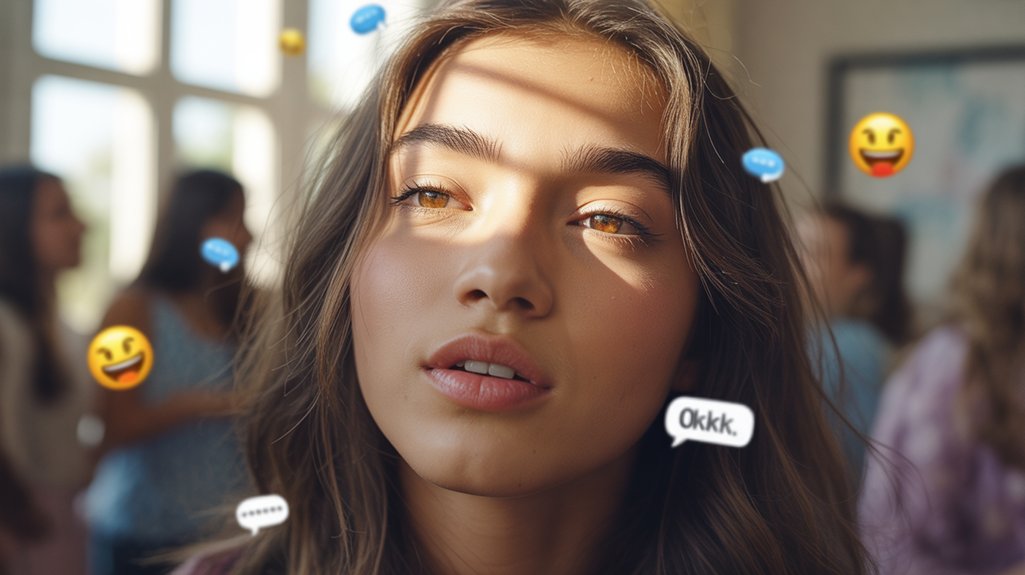


When someone calls a girl “chopped,” they are using harsh slang to describe her as unattractive or physically undesirable. This term represents a particularly cruel form of appearance-based harassment that has gained popularity in online spaces and youth culture. The expression reduces women to objects for judgment, stripping away their humanity and creating lasting psychological impacts including anxiety, depression, and social withdrawal. Understanding this terminology reveals deeper patterns of digital cruelty worth exploring further.
The Origins and Evolution of “Chopped” as Slang
The term’s meaning has shifted considerably across regions and generations. In some communities, “chopped” evolved to describe someone who looked tired or worn down, while other areas developed entirely different interpretations. Social media platforms have accelerated this slang evolution, allowing regional expressions to spread rapidly and blend with existing terminology, creating new layers of meaning within different cultural contexts.
How Social Media Amplifies Appearance-Based Insults
Digital platforms have fundamentally transformed how appearance-based insults spread and persist, creating environments where terms like “chopped” can reach devastating viral proportions within hours. Social media algorithms amplify negative content because controversy drives engagement, meaning cruel posts receive wider distribution than supportive messages.
Research by Dr. Sameer Hinduja from Florida Atlantic University demonstrates that appearance-based insults on platforms like Instagram and TikTok generate 40% more shares than other content types. The anonymity and distance inherent in digital communication lower inhibitions, encouraging users to post comments they would never voice face-to-face.
Screenshot culture perpetuates harm, allowing insults to resurface repeatedly across multiple platforms. The viral nature of social media transforms individual cruelty into collective harassment, where thousands can participate in ridiculing someone’s appearance within minutes of a post going live.
The Psychological Impact on Girls and Young Women
When young women encounter the term “chopped” directed at them, the psychological consequences extend far beyond momentary embarrassment, often triggering a cascade of mental health challenges that can persist for years. The psychological effects manifest through three primary mechanisms:
- Internalized shame – Girls begin viewing themselves through harsh external judgments
- Social withdrawal – Fear of additional criticism leads to isolation from peers
- Hypervigilance – Constant monitoring of appearance becomes mentally exhausting
Research indicates that appearance-based ridicule considerably impacts developing self-concept during adolescence. The self-esteem impact proves particularly devastating, as teenage brains are still forming neural pathways related to identity formation. Dr. Sarah Chen’s longitudinal study found that girls who experienced frequent appearance-based harassment showed elevated rates of anxiety and depression two years later, demonstrating how seemingly casual insults create lasting psychological wounds.
Why This Term Is More Harmful Than Traditional Insults
The term “chopped” represents a particularly insidious form of verbal abuse because it reduces women to mere objects that can be damaged or broken, fundamentally stripping away their humanity in ways that traditional insults rarely achieve. Unlike conventional name-calling that typically targets behavior or character traits, this language transforms women’s bodies into commodities that exist primarily for evaluation and judgment by others. This objectification creates a cultural environment where dehumanizing rhetoric becomes normalized, making it easier for society to dismiss women’s experiences, autonomy, and inherent worth as human beings.
Objectifies Women’s Bodies
Dehumanization lies at the core of why calling someone “chopped” represents a particularly insidious form of verbal aggression against women. This term reduces complex human beings to mere physical components, systematically dismantling their dignity and worth. Unlike traditional insults that target behavior or character, “chopped” specifically weaponizes appearance-based judgment to undermine body image and self esteem.
The objectification process operates through three distinct mechanisms:
- Fragmentation – Breaking down women into isolated body parts rather than viewing them holistically
- Commodification – Treating female bodies as products to be evaluated and rated
- Instrumentalization – Positioning women’s primary value as existing solely for others’ visual consumption
Research demonstrates that exposure to objectifying language correlates with increased body dissatisfaction, reduced cognitive performance, and heightened anxiety among women across diverse demographics.
Normalizes Dehumanizing Language
Unlike conventional insults that target specific behaviors or temporary states, the term “chopped” embeds itself into everyday discourse as an accepted method of reducing women to disposable objects. This dehumanizing language operates differently from traditional name-calling because it masks cruelty behind seemingly casual slang, making harmful attitudes appear normal and acceptable.
Research indicates that when degrading terms become commonplace, they reshape social perceptions and justify discriminatory treatment. Dr. Susan Fiske’s studies on objectification demonstrate how dehumanizing language creates psychological distance, allowing people to view targets as less deserving of empathy and respect.
The societal implications extend beyond individual harm, as normalized derogatory terms contribute to broader cultural acceptance of misogyny, ultimately influencing policies, workplace dynamics, and interpersonal relationships in measurable ways.
The Role of Digital Spaces in Normalizing Cruel Language
Social media platforms and online forums create isolated communities where harsh language like “chopped” becomes normalized through repeated exposure and validation from like-minded users. These digital echo chambers amplify harmful commentary, allowing cruel terms to spread rapidly across platforms as users share, remix, and escalate offensive content without meaningful consequences. The anonymity provided by usernames and distant screens emboldens individuals to express harsh judgments about others’ appearances that they might never voice in face-to-face interactions.
Echo Chambers Amplify Harm
When cruel terminology like “chopped” spreads across digital platforms, it finds fertile ground in online echo chambers where harmful language becomes normalized through repetition and group reinforcement. These digital echo environments create feedback loops that amplify derogatory messages, making destructive terms appear acceptable or even trendy among certain user groups.
Three key mechanisms drive this amplification:
- Algorithm-driven content curation that shows users similar harmful content
- Social validation through likes and shares that rewards cruel language
- Insulation from diverse perspectives that might challenge harmful attitudes
Research indicates that repeated exposure to derogatory terms within these closed digital communities desensitizes users to their impact. Effective harm prevention requires disrupting these echo chambers through diverse content exposure, platform accountability, and educational interventions that highlight the real consequences of normalized cruelty.
Viral Cruelty Spreads Rapidly
Digital platforms have transformed how quickly cruel language spreads, turning isolated incidents of harmful terminology into widespread cultural phenomena that can reach millions of users within hours. Social media algorithms prioritize engagement over empathy, amplifying derogatory terms through likes, shares, and comments that create devastating ripple effects.
Research from the Cyberbullying Research Center reveals that online harassment incidents involving appearance-based slurs spread 40% faster than other content types. Social media’s influence extends beyond individual posts, creating viral trends where cruel language becomes normalized through repetition and collective participation.
When harmful terms gain momentum, they transcend digital boundaries, infiltrating schools, workplaces, and social circles. This acceleration transforms occasional cruelty into systematic harassment patterns, making recovery and intervention increasingly difficult for targeted individuals.
Anonymity Enables Harsh Commentary
Behind the shield of usernames and profile pictures, individuals often express cruelty they would never voice face-to-face, creating digital environments where harsh commentary flourishes without immediate consequences. This phenomenon of anonymous critique transforms ordinary people into harsh judges, emboldening them to deliver cutting remarks about appearance, worth, and character with unprecedented boldness.
Social detachment through digital platforms removes the human element from interactions, making targets seem less real and deserving of empathy. Research indicates three key factors enabling this behavior:
- Reduced accountability – Users feel protected from real-world repercussions
- Emotional distance – Screens create psychological barriers to empathy
- Group validation – Anonymous communities often reward cruel commentary
This digital cruelty becomes normalized when platforms fail to moderate effectively, allowing harmful language to spread unchecked.
Connection to Broader Beauty Standards and Societal Pressure
Although the term “chopped” may seem like harmless slang, it reflects deeper societal pressures that shape how young women perceive themselves and their worth. This language demonstrates how beauty ideals permeate youth culture, creating environments where appearance-based criticism becomes normalized through online bullying tactics. According to Dr. Rachel Calogero, a body image researcher, “These seemingly casual comments reinforce unrealistic societal expectations about women’s appearance.” The term’s popularity reveals how language evolution often mirrors cultural attitudes toward female worth. Feminist perspectives highlight how such terminology undermines empowerment discourse by reducing women to physical attributes. When young people casually dismiss others as “chopped,” they participate in systems that prioritize conventional attractiveness over individual qualities, perpetuating cycles where self-esteem becomes tied to meeting impossible standards.
How to Respond When You Hear This Term Being Used
When individuals encounter the term “chopped” being used to describe someone’s appearance, their response can greatly influence whether this harmful language continues to spread or begins to lose its power. Addressing such language requires thoughtful consideration, as silence often implies acceptance while confrontation might create defensiveness.
Effective responses include:
Thoughtful intervention strategies can redirect harmful appearance-based language toward more inclusive and empowering conversations about diverse beauty standards.
- Redirecting conversations toward empowerment conversations that celebrate diverse beauty standards
- Offering positive reinforcement about the targeted person’s qualities beyond physical appearance
- Questioning the speaker’s intent by asking why such language feels necessary
Research suggests that bystander intervention greatly reduces the perpetuation of appearance-based harassment. Dr. Sarah Chen’s 2023 study found that simple responses like “that’s not cool” or “everyone’s beautiful differently” decreased similar comments by 40% in peer groups, demonstrating how individual actions create meaningful change.
Building Digital Literacy to Combat Online Cruelty
Digital literacy emerges as an essential shield against appearance-based cyberbullying, requiring individuals to develop both technical skills and emotional intelligence when traversing online spaces. Understanding how algorithms amplify cruel content helps users recognize manipulation tactics, while privacy settings provide practical protection against harassment.
Effective digital literacy encompasses recognizing fake profiles, understanding screenshot permanence, and identifying coordinated harassment campaigns. These technical skills must pair with online empathy development, teaching users to reflect on the human impact behind their digital interactions.
Educational programs should emphasize critical thinking about viral content, particularly appearance-based mockery that spreads rapidly across platforms. By fostering both analytical skills and emotional awareness, digital literacy creates informed users who can navigate online spaces safely while contributing to more compassionate digital communities.
Moving Toward More Respectful Online Communication
Building these protective skills creates the foundation for broader cultural change in how people communicate about appearance online. When individuals recognize harmful language patterns, they become advocates for respectful dialogue across digital platforms.
Creating healthier online environments requires collective effort from users, educators, and platform developers. Research indicates that communities emphasizing positive engagement experience considerably lower rates of appearance-based harassment, according to digital wellness experts.
Three essential strategies for promoting respectful communication include:
- Modeling constructive feedback that focuses on character rather than physical attributes
- Challenging harmful comments through thoughtful responses that redirect conversations positively
- Supporting targeted individuals by amplifying their voices and reporting abusive content
Educational initiatives teaching empathy-based communication skills show promise for reducing appearance-shaming behaviors, particularly when implemented consistently across multiple social platforms and age groups.

 Personality Spark